

You bought in a good area. The home is in good shape. The rent seems reasonable, and there’s nothing obviously wrong with the property.
Yet somehow, it isn’t performing the way you expected.
It’s easy to assume the problem must be the property itself. Sometimes it is. But we’ve also seen good rental homes struggle for a much simpler reason: the day-to-day rental property operations aren’t as organized as they need to be.
Sometimes you don’t notice the gaps until you need information you can’t easily find. Maybe a repair comes up, and you can’t remember if you’ve dealt with it before, or you’re suddenly much closer to a lease renewal than you realized. Even a resident’s text from a few months ago can become important when a new issue comes up.
None of those things seem like a major problem on its own.
Over time, they add up.
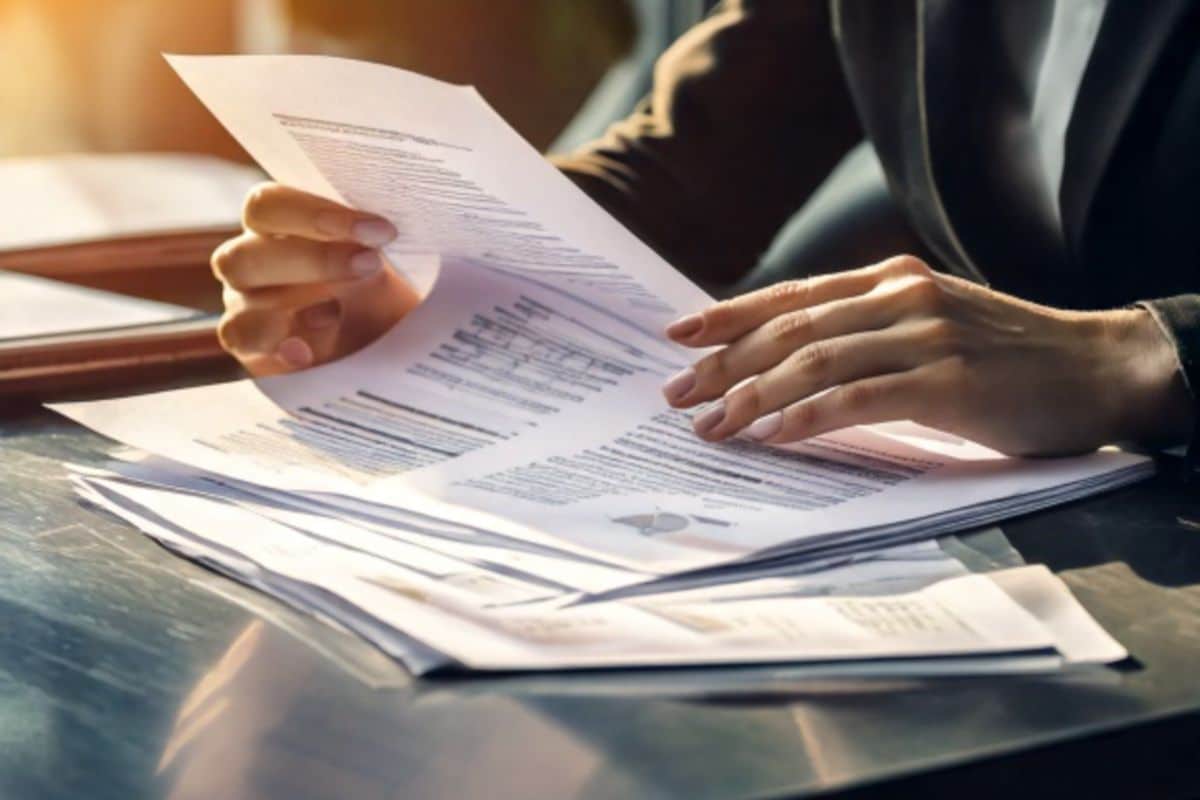 A Good Property Still Has to Be Managed Well
Some things you can’t fix with better management.
You can’t move a house to a different neighborhood. You can’t change the floor plan without spending money. And you can’t control everything happening in the rental market.
But a surprising amount of a property’s performance comes down to what happens after you buy it.
That’s really what rental property operations are about: keeping the everyday work around the property from becoming an afterthought.
Much of it comes down to the everyday details. A maintenance request comes in—does anyone know whether you’ve dealt with that problem before? Is someone watching the lease date before it gets too close? Can you pull up the property’s expenses without digging through old emails and invoices?
A good property gives you something solid to work with. It doesn’t run itself.
Maintenance Gets Expensive When Every Repair Starts From Scratch
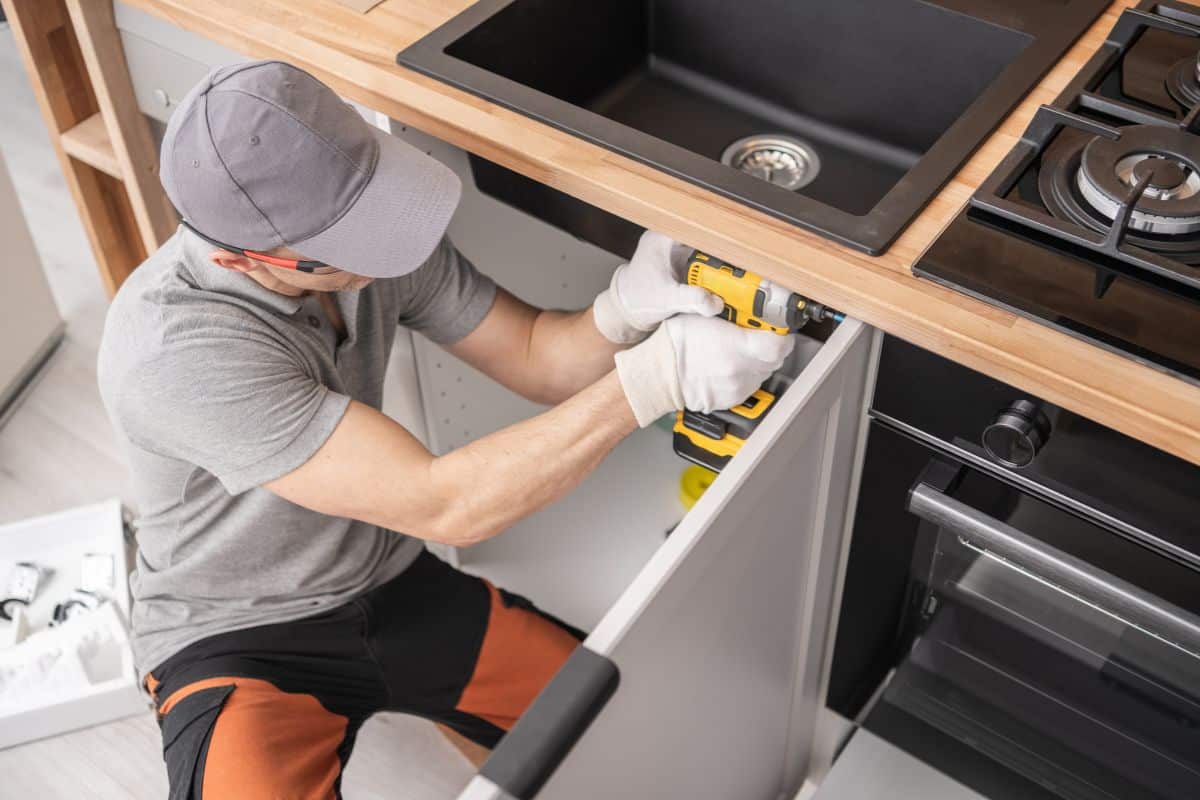
A resident reports that the kitchen sink is leaking.
You get someone out there, the repair gets made, and the invoice gets paid.
Problem solved.
Unless the same sink leaked six months ago.
That’s where maintenance records start to matter. We want to know what was repaired, who did the work and whether we’re looking at a new problem or another version of an old one. We’ve written more about what maintenance requests can tell rental property investors, because the history behind those calls can reveal things you won’t see from one repair alone.
Without that history, every service call can look unrelated.
It also makes it harder to know when you’ve reached the point where another repair doesn’t make much sense. Sometimes fixing it again is absolutely the right call. Other times, you look back at what you’ve already spent and realize it’s time to have a different conversation.
You make a better decision when you know what came before. Maintenance is a big part of rental property operations, and having that history available can keep every new service call from starting at zero.
 That Lease Renewal Comes Around Fast
A lease expiration date sitting on a document somewhere isn’t much help if nobody is paying attention to it.
It’s better to start thinking about the renewal while there’s still time to make a decision. You may need to talk with the resident about their plans, take another look at the rent, or deal with something at the property before the next lease begins.
Those conversations are much easier when you have time for them.
If the resident plans to move, knowing early also gives you more time to think about what the property may need before someone else moves in.
We’ve seen how quickly a routine renewal can become stressful when everyone realizes at the last minute that a decision needs to be made.
Someone needs to be watching the calendar.
 Where Did That Maintenance Request Come In?
Rental property communication can come from everywhere.
A resident may call about one issue and text about another. Photos could arrive by email. Then there’s the conversation someone remembers having but never wrote down.
That can work when almost nothing is happening.
Then something gets missed.
Good communication isn’t about answering every message within 30 seconds. It’s about having a reliable way to receive information, follow up, and know what happened afterward.
This becomes especially important with maintenance.
If a resident mentioned a small water spot two months ago, you want that information available when they report that the spot has gotten larger. That earlier conversation may change how you view the problem.
Good records give those details a place to live beyond someone’s memory.
Rent Collection Shouldn’t Be a Monthly Guessing Game
Most investors don’t want to spend part of every month wondering whether rent has been paid.
Residents should know when rent is due and how to pay it, and you should be able to see what’s been received without sorting through bank deposits or old messages.
Most months, there’s probably nothing unusual to deal with.
When something is different, the process really matters.
A missed payment, partial payment, or accounting question is much easier to sort out when there’s already a clear record of what happened.
Inspections Tell You Things an Invoice Can’t
Maintenance calls tell you about things someone has noticed.
They don’t tell you everything about the property.
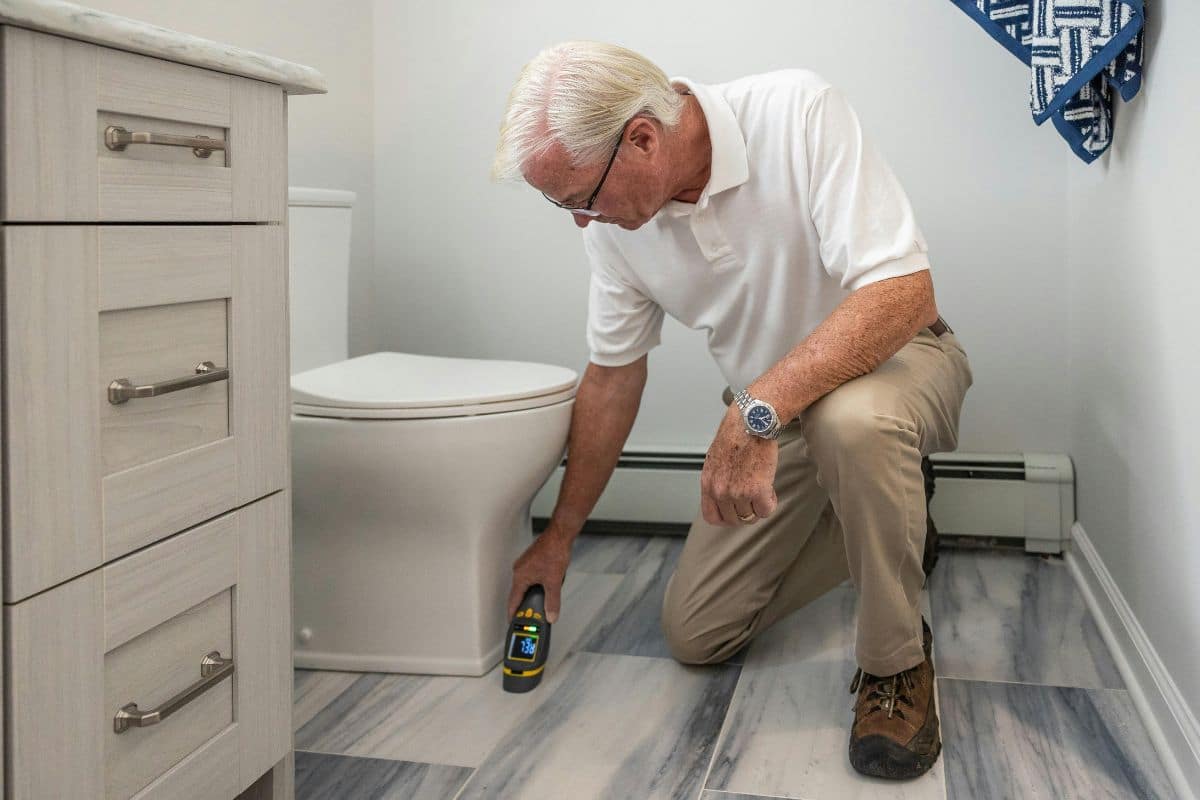
That’s one reason regular property evaluations matter. You may notice something that hasn’t become a repair request yet, or see how a previous repair is holding up.
Sometimes it’s as simple as spotting a little exterior wear before another Kansas City winter hits.
That’s also why we look at seasonal maintenance for rental properties as part of the bigger picture rather than waiting for something to break.
Other times, you see something you want to keep an eye on.
The point isn’t to walk through the property looking for reasons to spend money. It’s to have a reasonable idea of what’s happening before a problem gets big enough to make the decision for you.
 There’s More to a Repair Than Calling a Contractor
Finding someone who can fix something is only part of the job.
There’s scheduling to work out with the resident. You need to know what the contractor found and whether the work actually solved the problem. Then there’s the invoice and the record of what was done.
If someone worked on the same issue before, that may be important too.
This is one of those jobs that doesn’t sound like much until you’re the person sending messages back and forth, waiting on an estimate and trying to figure out whether the repair was completed.
Add several repairs—or several properties—and it gets harder to keep it all straight.
This is where rental property operations can take more time than investors expect. The repair itself may be straightforward, but coordinating everything around it is still work.
The Numbers Don’t Tell You Why
An expense report can tell you that you spent $1,200 on plumbing last year.
That’s useful.
But there’s a big difference between one unusual $1,200 repair and five plumbing calls that added up to the same amount.
The total alone doesn’t tell you that.
The same is true for many rental property expenses. The numbers become more useful when you can connect them with what was actually happening at the property.
Keeping good records matters for more than understanding how the property is performing. The IRS also recommends maintaining records of rental income and expenses for financial and tax reporting purposes.
It’s one reason rental property performance goes beyond cash flow. The monthly numbers may look fine even when something happening behind the scenes deserves a closer look.
Looking at the financial side alongside your rental property operations can help explain where some of those expenses are actually coming from.
If maintenance costs have gone up, we want to know why. If one rental has needed noticeably more service calls than another, that’s worth looking into.
Sometimes there’s a perfectly reasonable explanation.
Other times, that’s how you spot a problem that’s been developing for a while.
One Rental Is Easier to Keep in Your Head
With one property, you may know most of its history without looking anything up.
You remember when the water heater was replaced. You know when the lease ends. You probably have a pretty good idea of what’s been repaired recently.
That gets harder as you add properties.
We’ve talked about this in more detail in the difference between managing one rental and managing a portfolio, because adding properties changes more than the number of homes you own.
Dates overlap. One property needs a repair while you’re dealing with a renewal somewhere else. A contractor calls about one house while you’re trying to remember whether the same problem happened at another.
At that point, relying on memory becomes a lot less useful.
This doesn’t mean you need a complicated setup just because you own a few rentals. But your rental property operations do need to keep up as you add properties. The information that used to live in your head needs somewhere more reliable to go.
Better Systems Should Make Less Work, Not More
Nobody needs another system that creates more things to keep up with.
The whole point is to make the work that’s already happening easier to manage.
If you have to dig through old emails to remember when the furnace was repaired, there’s probably a better way to track it. The same goes for maintenance follow-up and lease dates. You don’t want to reconstruct those details from memory when you need an answer.
When the information is already organized, it’s much easier to see what’s happening and decide what needs attention.
That’s especially important for investors who don’t want managing the property to become another job.
 A Property Can Be Good and Still Need Better Management
If a rental isn’t performing the way you expected, it’s reasonable to look at the property.
But don’t stop there.
Think about how the property is actually being managed day to day.
If a repair comes up, can you easily see what’s been done before? Are lease dates getting attention early enough? When a resident reports something, is there a clear record of what happened next?
Sometimes those questions uncover more than another look at the monthly numbers.
You may discover that the property itself isn’t really the problem.
How you handle information and day-to-day work may be what’s holding it back.
Frequently Asked Questions
What should rental property operations include?
Start with the things you find yourself going back to. When was that repair made? When does the lease end? What did you spend on the property last year? You shouldn’t have to dig very far to answer those questions. If the information is easy to find and stays up to date, you’re already in a much better position.
Can poor management really affect rental property returns?
Yes. Usually it isn’t one huge mistake that causes the problem. It’s the repair that had to be handled twice, the lease date that came up sooner than expected, or the issue that got more expensive because nobody followed up. Over time, those things show up in what the property costs to own.
Do I need property management software for one rental?
No. Plenty of investors with one rental keep things pretty simple. You don’t want a repair invoice in one email, lease information somewhere else, and a maintenance conversation buried in your text messages. Whatever you use, you should be able to find the property’s history without hunting for it.
When do rental property systems usually start breaking down?
Usually when several things happen at the same time, a repair comes up during a lease renewal. Another bill needs attention. A resident is waiting for an answer while you’re trying to reach a contractor. That’s when keeping everything in your head—or scattered across texts and emails—starts causing problems.
Can a property manager help organize an existing rental?
Yes. Investors don’t always come to us with a brand-new rental. Sometimes they’ve been managing the property themselves for years. Before moving forward, we need to understand what’s happening with the property now, what’s already been done, and what needs attention going forward.
The Property Is Only Part of the Investment
Finding a solid rental is a great start, but a lot still happens after the purchase.
Over the years, it’s easy for details to get scattered. A repair gets made, but nobody remembers exactly what was done the next time the problem comes up. A lease date gets closer than expected. Something a resident mentioned months ago suddenly becomes important again.
That’s where having a good handle on the property’s history can make owning it a whole lot easier.
At Real Property Management Consultants, our property management services cover the rental property operations Kansas City investors don’t always have the time or desire to manage themselves, from resident communication and maintenance coordination to lease management, rent collection and property evaluations.
Sometimes a good property doesn’t need to be replaced.
It just needs better management.
This content is provided for general informational and educational purposes only and does not constitute financial, legal, tax, or investment advice. Readers should consult with licensed professionals regarding their specific circumstances.
We are pledged to the letter and spirit of U.S. policy for the achievement of equal housing opportunity throughout the Nation. See Equal Housing Opportunity Statement for more information.
