

The rent comes in. The mortgage gets paid. Expenses aren’t eating up everything that’s left.
On paper, the rental looks fine.
So why does it still feel like you’re putting more time, money, or attention into this property than you should be?
We’ve seen this with rentals that technically have positive cash flow but still give the owner reasons to question how well the investment is really doing. Sometimes there’s an obvious problem. Other times, it’s harder to put your finger on.
Positive cash flow matters. It just doesn’t tell you everything.
 Cash Flow Is One Part of the Story
Two properties can put roughly the same amount of money in your pocket each month and still be very different to own.
One may have a resident who’s been there for years and doesn’t need much beyond normal maintenance. The other always seems to have something going on.
That’s when it’s worth looking beyond what landed in the bank account this month.
A rental isn’t performing well simply because the rent is higher than the expenses. You also want to understand what it has taken to produce that return and what may be coming next.
Start With Where the Money Is Going
A property can remain cash-flow positive while expenses slowly move in the wrong direction.
Maybe there hasn’t been one huge repair. Instead, you’ve had a few plumbing calls. The HVAC has needed service more than once. An appliance was replaced. There was some exterior work you weren’t expecting.
None of that necessarily means you have a problem.
It’s when you look back that things can get interesting.
We pay attention when the same property keeps showing up for repairs or when we’re seeing the same issue more than once. One service call may not mean much. Several calls involving the same system deserve another look.
We’ve written more about what maintenance requests tell rental property investors, because the history behind those calls can be just as useful as knowing what the latest repair cost.
Sometimes the reason a rental feels expensive becomes pretty obvious once you stop looking at each repair separately.
 A Good Year Can Hide What’s Coming Next
You can have a year with very few maintenance expenses and still know there are some things on the horizon.
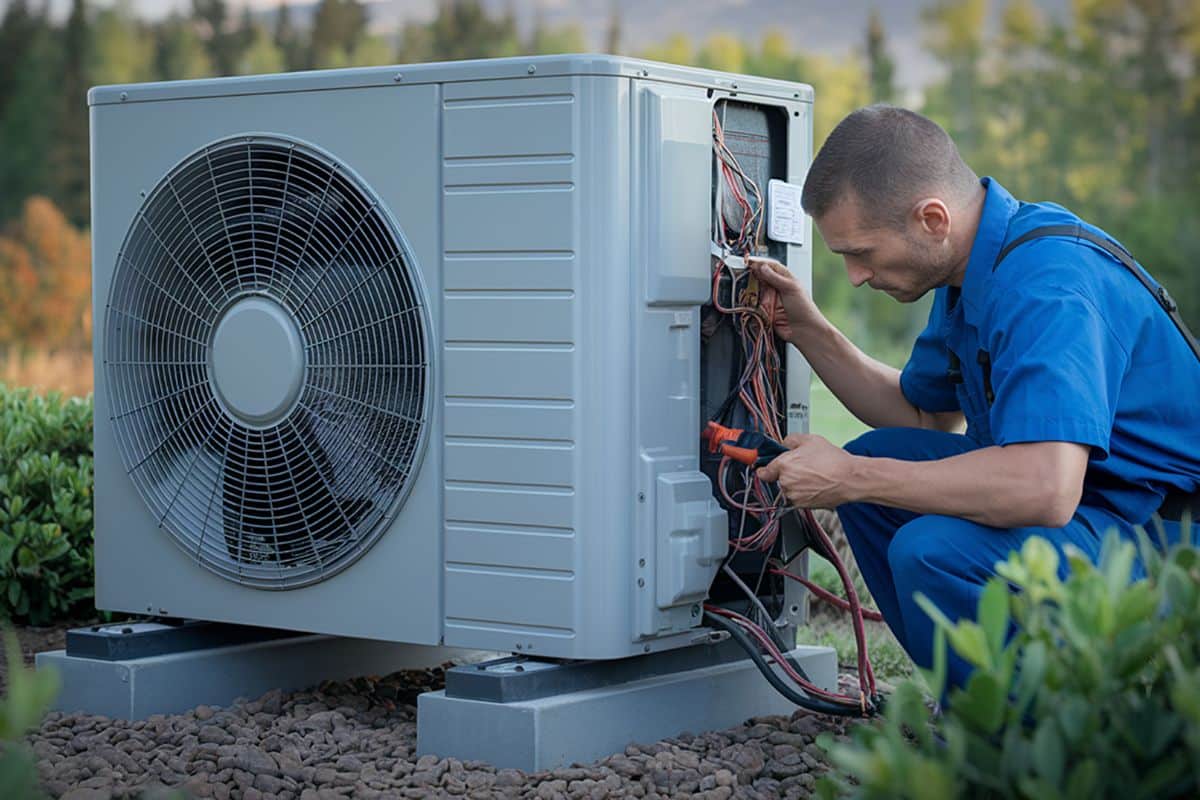
Maybe the AC is 16 years old. The roof has some age on it. The water heater has already needed attention.
None of those expenses are affecting this month’s cash flow.
They’re still worth knowing about.
We wouldn’t replace an older system just because of the date on the label. Plenty of equipment keeps doing its job longer than expected. But there’s a difference between knowing you have an older AC and being completely surprised when it stops working during a Kansas City heat wave.
That knowledge gives you time to plan.
 Turnover Can Change the Numbers Quickly
A long-term resident can make a rental wonderfully predictable.
Then they move.
That’s when you get your first good look at what the property needs before someone else moves in. There may be paint to deal with, flooring that’s worn out, repairs that weren’t urgent while the home was occupied, or other work that makes sense to handle while the property is empty.
You may also have a period without rent coming in.
None of this is unusual. Turnover is part of owning rental property.
But if a resident has been in the home for several years, today’s cash flow doesn’t necessarily tell you what the next turnover could look like.
Some Properties Just Take More of Your Time
This one won’t show up on a financial statement.
Some rentals are simply needy.
There’s always a question to answer or another contractor to schedule. Something that was repaired needs another look. You’re waiting for an estimate, checking on an invoice, or trying to remember what happened the last time the same issue came up.
If you’re managing your own rental, none of those hours appear in the expense column.
You still spent them.
We’ve also seen situations where one property comes up every time we talk with an investor. When that happens, it’s worth figuring out why.
A rental that consistently demands more attention than everything else you own may be telling you something the monthly cash flow isn’t.
Rent Can Be Coming In and Still Be Wrong
There’s something reassuring about a resident who pays reliably month after month.
It can also make it tempting to leave the rent alone indefinitely.
Eventually, though, it’s worth finding out where that rent sits compared with similar properties.
That doesn’t mean you automatically push it to the highest number the market might support. A good resident has value, and replacing one isn’t free.
What matters is knowing the difference.
If the current rent is below market, how far below? How long has it been since the last adjustment? What would a turnover realistically cost?
Once you know that, you can make a much better decision than simply raising the rent because you can—or never raising it because you don’t want to rock the boat.
Property Condition Can Slip Quietly
Not every property problem turns into an emergency repair.
Some changes happen slowly enough that you stop noticing them.
The exterior starts looking tired. Flooring has taken a beating. Trim needs attention. Landscaping isn’t what it used to be. A kitchen or bathroom that once competed well with other rentals in the area is starting to show its age.
Kansas City weather doesn’t exactly go easy on houses either. Hot summers, freezing temperatures, storms, and big temperature swings can take their toll over time.
You don’t need to renovate every time something starts looking dated.
But you do need to know how your property compares with the homes a prospective resident will see before or after yours.
A rental can continue producing positive cash flow while gradually becoming less competitive.
 Don’t Forget About the Equity Side
Monthly income isn’t the only reason people own rental property.
While you’ve been collecting rent, you may also have been paying down the loan and building equity. The property itself may be worth considerably more than when you purchased it.
Property values also change over time, and the FHFA House Price Index can be useful for looking at broader home-price trends nationally and by market.
Our Wealth Optimizer gives investors another way to look at that bigger picture, including how equity and other factors may be affecting the property’s long-term financial outlook.
That bigger picture matters.
An investor may be perfectly comfortable with modest monthly cash flow because the property is accomplishing something else financially. Someone with different goals may look at the same property and reach a different conclusion.
That’s why the question isn’t simply, “Is it cash-flow positive?”
It’s what the property is doing for you overall.
Sometimes the Property Isn’t the Problem
Your goals can change even when the rental hasn’t.
The property you bought eight years ago may have been exactly what you wanted at the time. Since then, you’ve added other investments, paid down debt, gotten closer to retirement, or simply changed what you want from your rentals.
Maybe you’re interested in growing.
Maybe you’d rather simplify.
A property doesn’t have to be failing for you to question whether it still belongs in your plan. If selling starts to feel like the next step, it’s worth understanding the financial impact of selling a rental property too soon before making the decision.
That’s a very different conversation from deciding a rental is bad because you had an expensive month.
Figure Out What’s Bothering You About the Property
If you keep questioning the same rental, there’s probably a reason.
Maybe you’ve had more repair calls than you realized, or you know there’s an expensive system getting older. Maybe the rent hasn’t moved much in several years. It could even be that you’re spending far more time dealing with this property than your others.
That’s where we’d start. A rental property mid-year performance review can help you step back from what’s happening this month and look at the property’s income, expenses, maintenance history, and overall performance together.
You might find that you’re worrying about a rental that’s actually doing just fine.
Or you may finally see why it hasn’t felt like one of your better investments.
 Frequently Asked Questions
Can a rental property have positive cash flow and still be a poor investment?
Yes. Positive cash flow tells you that money is left after expenses, but it doesn’t tell you everything about the property. Repair history, upcoming expenses, current rent, property condition, and the amount of time the rental takes to manage can change the picture.
What should I look at besides rental property cash flow?
Take a look at what’s been happening with the property over time. We want to know whether repairs are becoming more frequent, how the major systems are holding up, where the rent sits in the market, and whether there’s work coming that hasn’t hit the budget yet.
How often should I review my rental property’s performance?
There’s no reason to overanalyze a property every time rent comes in. We do think it’s worth taking a closer look during the year and whenever something changes—a larger repair, an upcoming renewal, a turnover, or anything else that makes you question how the property is doing.
Does below-market rent mean I should raise it?
Not necessarily. First, find out how far below market you actually are. Then consider the resident and what a turnover could cost. Sometimes an increase makes sense. Sometimes keeping a good resident at a slightly lower rent makes more sense.
How do I know if I should keep or sell a rental property?
Start with why you’re thinking about selling. One frustrating repair is very different from years of higher expenses or a property that no longer fits what you’re trying to accomplish. Before making that decision, we’d want to look at more than the last few months.
Know What the Numbers Aren’t Showing You
Cash flow matters. We certainly wouldn’t tell an investor to ignore it.
But if a property looks good on paper and you still find yourself questioning it, dig a little deeper.
There may be a pattern in the repair history you hadn’t noticed. You may be looking at a larger expense in the next few years. The rent could be lagging behind the market. Or maybe the property simply requires more of your attention than you want to give it.
At Real Property Management Consultants, our property management services help investors understand what’s happening beyond the monthly rent deposit so they can make decisions with a clearer picture of the property.
Sometimes the numbers confirm that everything is fine.
And sometimes they explain why it hasn’t felt that way.
This content is provided for general informational and educational purposes only and does not constitute financial, legal, tax, or investment advice. Readers should consult with licensed professionals regarding their specific circumstances.
We are pledged to the letter and spirit of U.S. policy for the achievement of equal housing opportunity throughout the Nation. See Equal Housing Opportunity Statement for more information.
