

It’s summer in Kansas City. Temperatures have been sitting in the 90s, and the AC at a rental property stops cooling.
At that point, there’s not much time to weigh your options.
The resident needs relief. HVAC companies are busy. You need someone who can get to the property, diagnose the issue, and get the system running again.
This is where emergency rental property repairs can get expensive, and the service bill is only part of it.
When something breaks at the worst possible time, investors lose something that’s easy to overlook: choices.
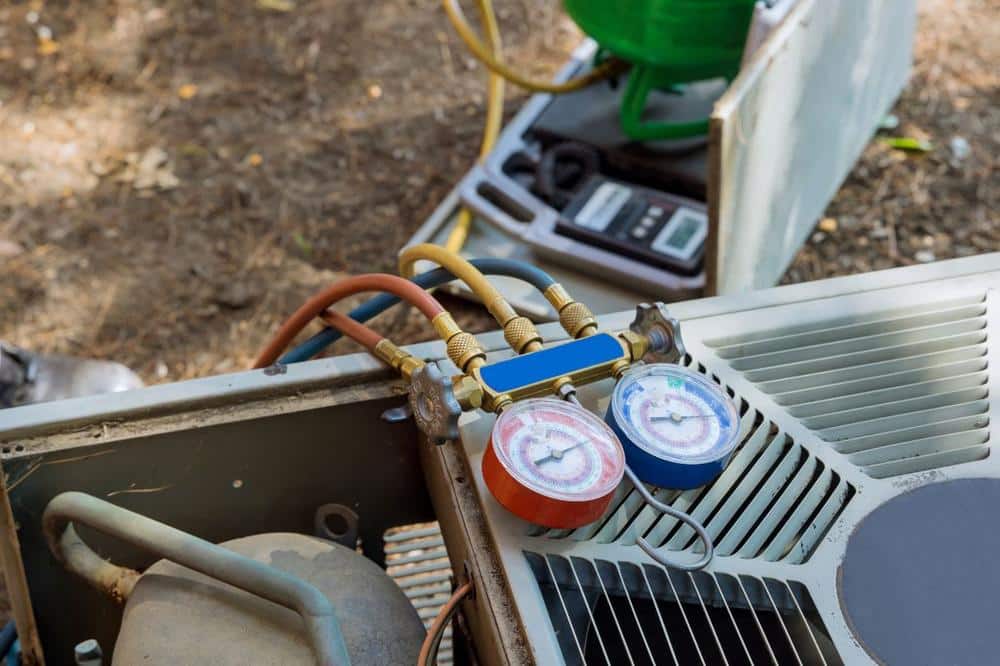 The Repair Bill Is Only Part of the Cost
A repair you know about ahead of time and a repair that needs to happen today are two very different situations.
With a planned repair, you have time to get estimates, ask questions, compare equipment, and decide when the work makes the most sense.
An emergency doesn’t give you much of that.
Availability becomes a big part of the decision. The contractor you normally use may already be booked. Parts may not be readily available. After-hours or weekend service may be necessary. If replacement is the only reasonable option, you may have to work with the available equipment rather than the equipment you would have chosen with more time.
Sometimes there’s simply no way around it.
But that’s why the real cost of an emergency isn’t always found on the invoice. It’s also in the decisions you had to make because you couldn’t wait.
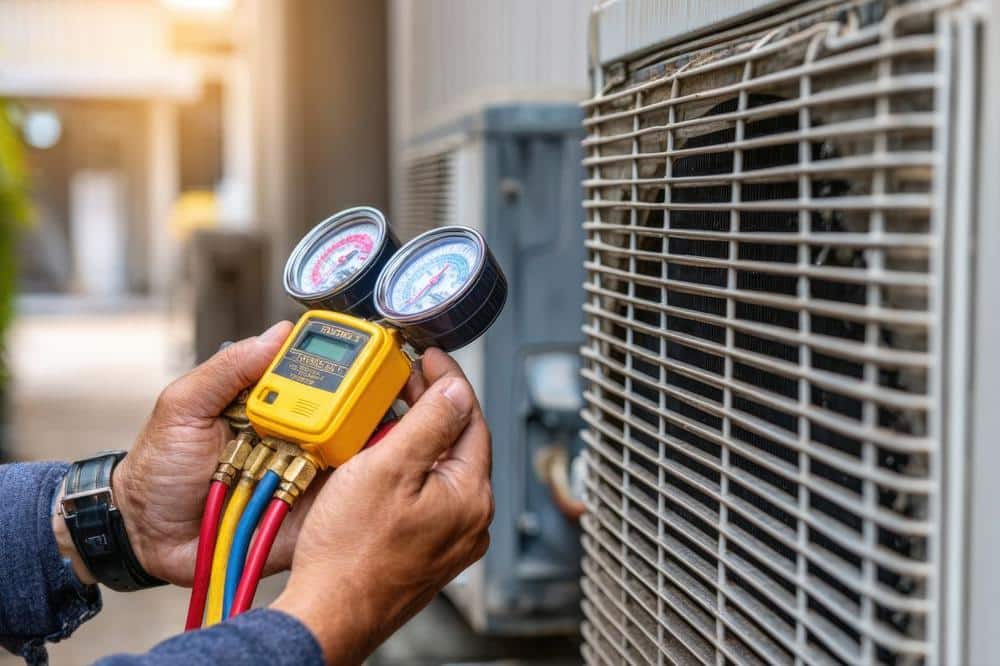 Summer HVAC Emergencies Are a Different Animal
Kansas City summers put air conditioning systems to work.
Once we get into a stretch of really hot weather, HVAC companies get busy fast. That’s also when an older system that’s been hanging on can finally decide it’s had enough.
We pay attention when a unit starts needing more service calls or isn’t cooling the way it used to. One repair doesn’t necessarily mean the system needs replacing. Several repairs over a couple of summers are a different conversation.
Age matters too.
If you know an AC system is getting older and you’ve already spent money keeping it going, waiting for it to completely quit can put you in a tough position.
Now you’re making a fairly significant financial decision on one of the hottest days of the year.
That’s not when most investors want to shop for an HVAC system.
Routine AC maintenance matters too. The U.S. Department of Energy recommends regular maintenance to help air conditioning systems operate effectively and efficiently.
Sometimes the Original Problem Isn’t the Expensive Part
Some maintenance problems stay fairly contained.
Others bring friends.
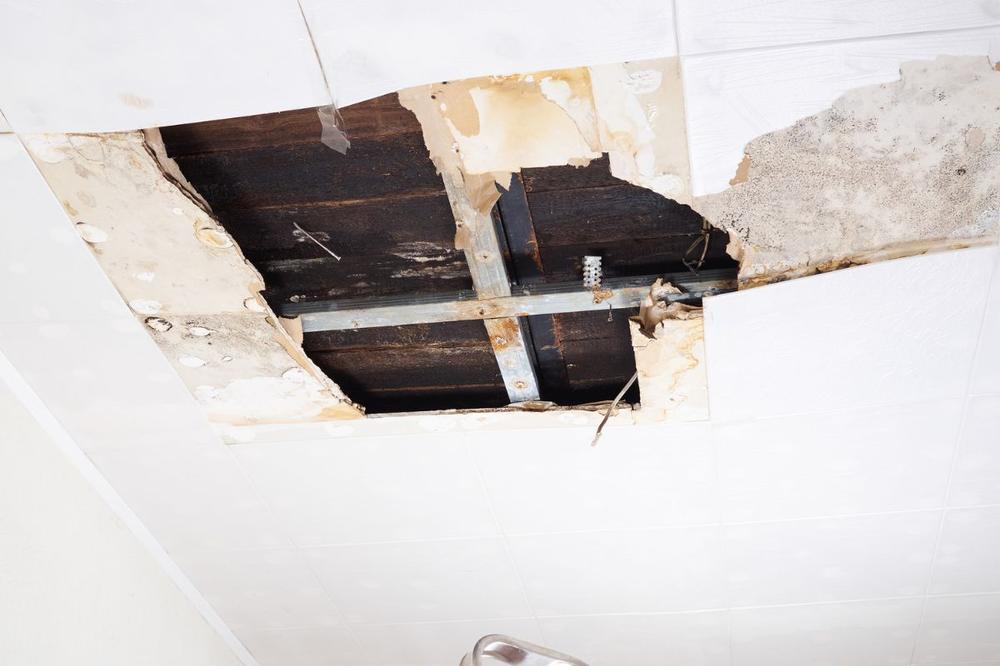
A clogged AC condensate drain can turn into water damage. A plumbing leak can make its way through a cabinet, floor, or ceiling before it’s found. A roof leak after a summer storm may involve more than repairing a few shingles if water has already made its way inside.
This is where repair costs can start adding up.
Now you’re not only fixing what failed. You may also be dealing with drywall, flooring, paint, cabinetry, insulation, or other areas affected by the original problem.
We’ve seen enough maintenance issues to know that a small repair doesn’t always stay small.
That’s one reason response time matters so much.
 Emergencies Take Away Your Planning Time
Some repairs make sense to get two or three estimates.
Other times, you need someone at the house.
When a resident has no cooling during extreme summer heat, or water is actively leaking into the property, waiting several days to compare bids isn’t always realistic.
That changes the way you make the decision.
Maybe you would have replaced the HVAC system in October when contractors weren’t as busy. Maybe you would have researched a different unit. You may have planned to combine that expense with another improvement later in the year.
An emergency can move that entire decision to today.
This is why we encourage investors to think about major systems before they fail, particularly when there’s already a repair history.
You may still decide to keep an older system running. At least then it’s a decision you’ve made with the numbers in front of you rather than one you’re forced to make on a Friday afternoon in the heat of the summer.
The Resident Is Part of the Equation
There’s another side of an emergency repair that doesn’t show up on a maintenance invoice.
Someone lives in the property.
If the AC quits during a Kansas City heat wave, that resident wants to know what’s being done and when someone is coming. The same is true for plumbing problems, electrical issues, or water coming into the home after a storm. That’s especially important during periods of extreme heat, when indoor temperatures can become more than an inconvenience
Communication matters.
Even when a repair can’t happen immediately, keeping the resident informed can make a difficult situation easier to manage.
Repeated problems are another story.
If the same system keeps failing or the same maintenance issue keeps coming back, frustration builds. That can eventually become part of the resident’s decision about whether they want to stay when the lease comes up for renewal.
Maintenance and resident retention aren’t separate issues. Sometimes they’re closely connected.
When Repairing It Again Stops Making Sense
One of the harder decisions for an investor is knowing when to stop repairing something.
There isn’t a magic number of service calls that tells you it’s time to replace an HVAC system, water heater, appliance, or another major component.
You have to look at the history.
How old is it?
How much have you spent on it recently?
Are the repairs becoming more frequent?
Is it still performing the way it should?
What is the likely cost if it fails completely?
This is where maintenance requests can tell rental property investors much more than what broke last Tuesday. Looking back at repair history can show a pattern that’s easy to miss when each work order is handled separately.
Sometimes another repair makes sense.
Sometimes you’re putting more money into something you already know is on borrowed time.
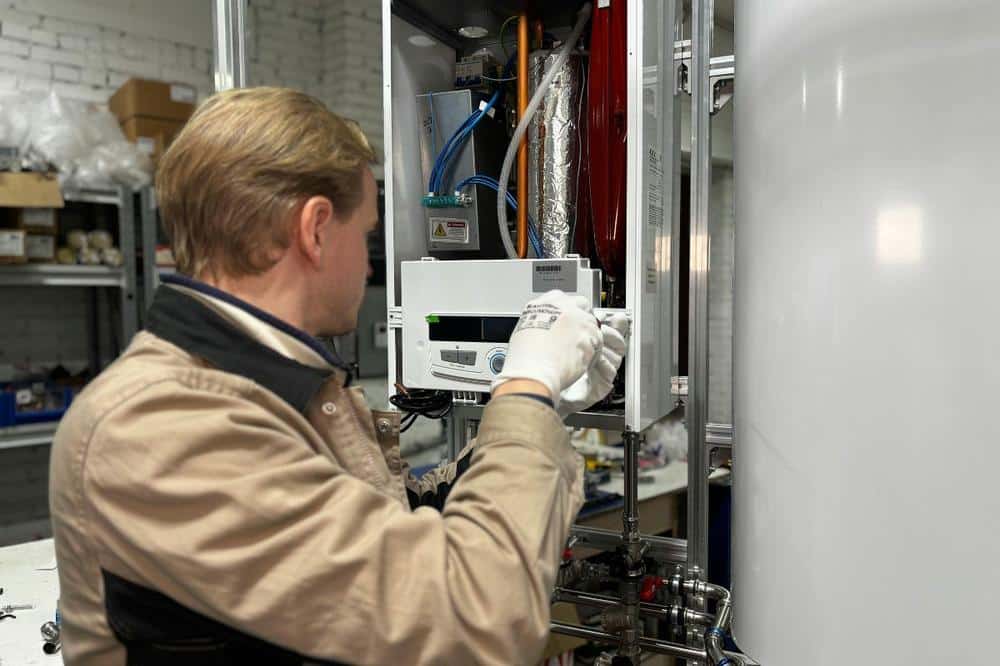 Can You Prevent Every Emergency Repair?
No.
And we think that’s important to say.
You can maintain a property well and still have an AC compressor fail. A storm can damage a roof that was fine the week before. Plumbing can leak without much warning.
Preventative maintenance isn’t a guarantee against repairs.
What it can do is give you a better chance of seeing trouble coming.
That’s the thinking behind seasonal rental property maintenance. Service the AC before summer. Look at the roof and drainage after winter. Pay attention to recurring repairs. Know roughly how old the major systems are.
You won’t catch everything.
But we’d rather go into summer knowing the 15-year-old AC has been struggling than be surprised by it.
Plan for the Repairs You Know Are Coming
Every rental property has things that will eventually need to be replaced.
The HVAC system won’t last forever. Neither will the roof, water heater, appliances, flooring, or exterior paint.
Those aren’t really unexpected expenses.
The timing is what’s uncertain.
That’s why maintenance history should be part of the financial conversation around a rental property.
If you’re reviewing your property’s performance and discover that repair costs have been climbing, that’s worth looking into. A mid-year rental property performance review is a good opportunity to step back from individual invoices and look at what maintenance costs you overall.
From there, you can start asking better questions.
What’s likely to need replacement next?
What can wait?
What should we start budgeting for now?
And where are we spending money repeatedly without fixing the underlying problem?
Those conversations are much easier before something breaks. If you’re looking for more information on the financial side of owning a rental, our Investor Resources are a good place to start.
 Frequently Asked Questions
What is considered an emergency repair at a rental property?
We look at what is happening at the property and what could happen if we wait. No heat, an active water leak, or a serious electrical problem obviously can’t sit for a few days. The same goes for something that could cause more damage to the home if it isn’t addressed quickly. Not every maintenance request is an emergency, but some things simply can’t wait for the next available appointment.
Why can summer HVAC repairs be more difficult?
Demand can increase considerably during stretches of hot weather. Contractors may have full schedules, and getting the exact parts or equipment you want may take longer. That’s why we like to know how older systems are doing before the hottest part of summer arrives.
Can preventative maintenance eliminate emergency repairs?
No. Equipment can fail even when it has been properly maintained. Preventative maintenance can, however, uncover some problems earlier and give you a better picture of the condition of major systems.
Should I repair or replace an older AC system in a rental property?
We look at more than age. Repair history, current condition, performance, replacement cost, and what you’ve already spent on the system all matter. An older unit that rarely causes problems is different from one that’s needed several repairs recently.
How should rental property investors budget for emergency repairs?
No single number works for every property. The home’s age and condition, along with the condition of its major systems, should factor into how much you set aside. Your maintenance history is often more useful than a generic percentage.
More Time Usually Means More Options
Things are going to break. That’s part of owning rental property.
The goal isn’t to somehow eliminate every emergency.
It’s to avoid being surprised by the things that were already giving you warning signs.
When you know what’s happening with the property, you have more time to budget, get estimates, think through replacement options, and decide what makes the most financial sense.
Without that information, the property may end up deciding for you.
At Real Property Management Consultants, our property management services include staying on top of maintenance, tracking repair history, and helping investors understand when a routine repair may be turning into something bigger.
Because we’d much rather have that conversation with you in April than during a 95-degree afternoon in peak summer months.
This content is provided for general informational and educational purposes only and does not constitute financial, legal, tax, or investment advice. Readers should consult with licensed professionals regarding their specific circumstances.
We are pledged to the letter and spirit of U.S. policy for the achievement of equal housing opportunity throughout the Nation. See Equal Housing Opportunity Statement for more information.
