

Most landlords we work with didn’t start out comparing rural rentals and urban rentals side by side. They started with what seemed like the safer choice. More often than not, that meant an urban property. Over time, many discover that location alone doesn’t explain why one rental performs better than another. In reality, the difference in performance usually comes down to management decisions rather than location alone.
Across markets like Johnson County, Kansas, and Lee’s Summit, Missouri, we see both rural and urban properties succeed and struggle for the same reason: how well the owner understands the market and plans for long-term operation.
At Real Property Management Consultants, we help landlords focus on what actually drives consistent rental income.
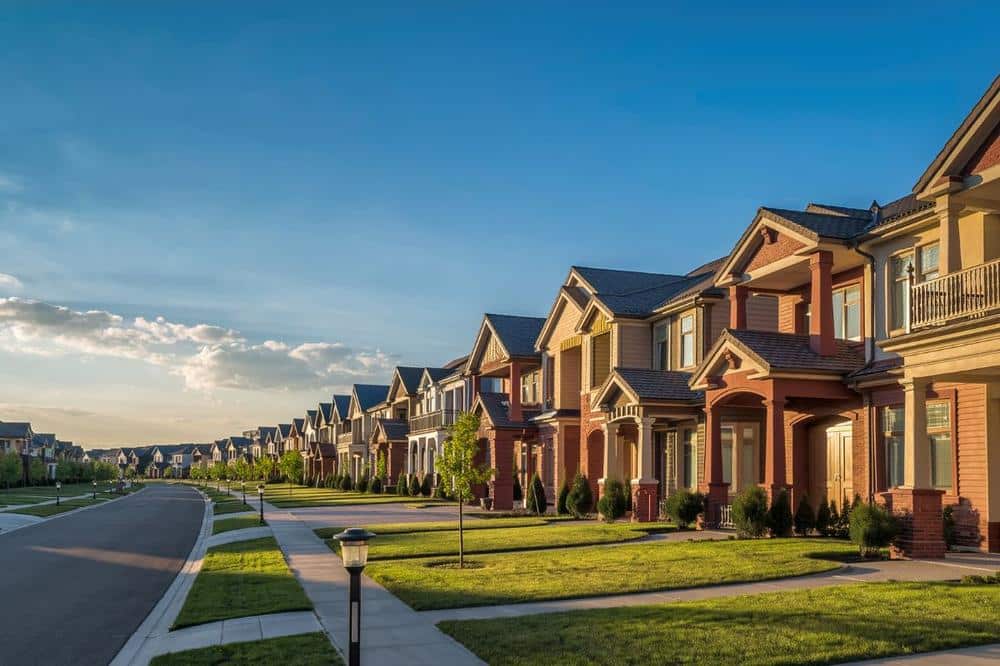 Urban Rentals: Strong Demand with Ongoing Pressure
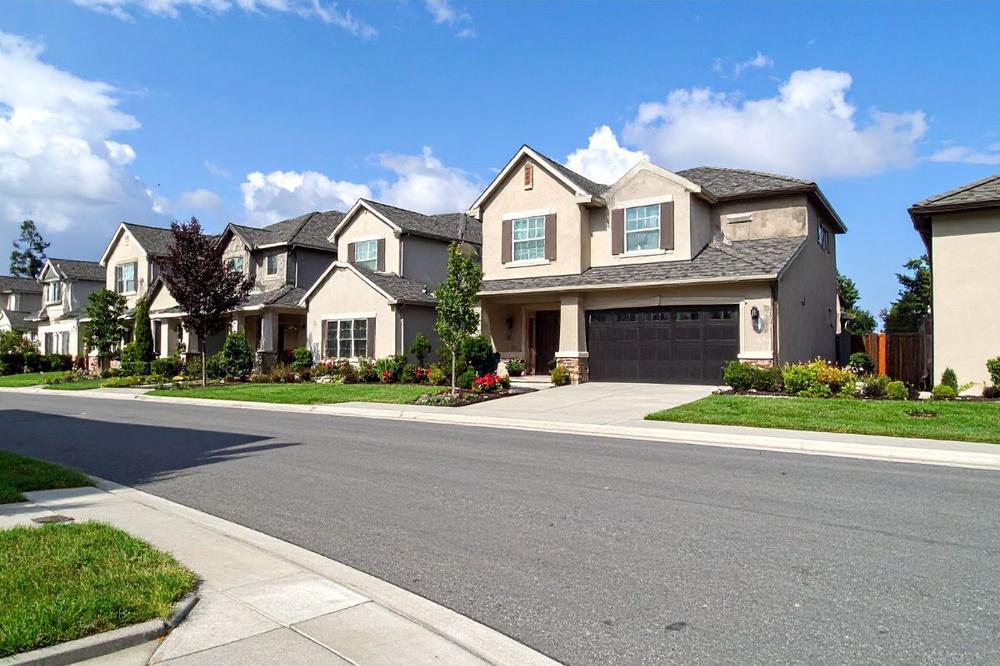
In markets like Lee’s Summit, most residents choosing an urban or suburban rental are doing so for convenience. Being close to work, schools, and shopping often matters more to them than extra square footage. These properties regularly support higher rent, but they also come with higher expectations.
Urban residents tend to move more frequently, which increases turnover-related expenses such as marketing, cleaning, and vacancy loss. Maintenance requests are also more time-sensitive. Slow responses or outdated features can quickly impact resident satisfaction and retention.
Urban rentals can do well, but they require attention. If repairs get delayed or resident issues linger, costs can stack up quickly. Higher rent doesn’t mean much if it’s constantly being eaten up by turnover, maintenance, and vacancies.
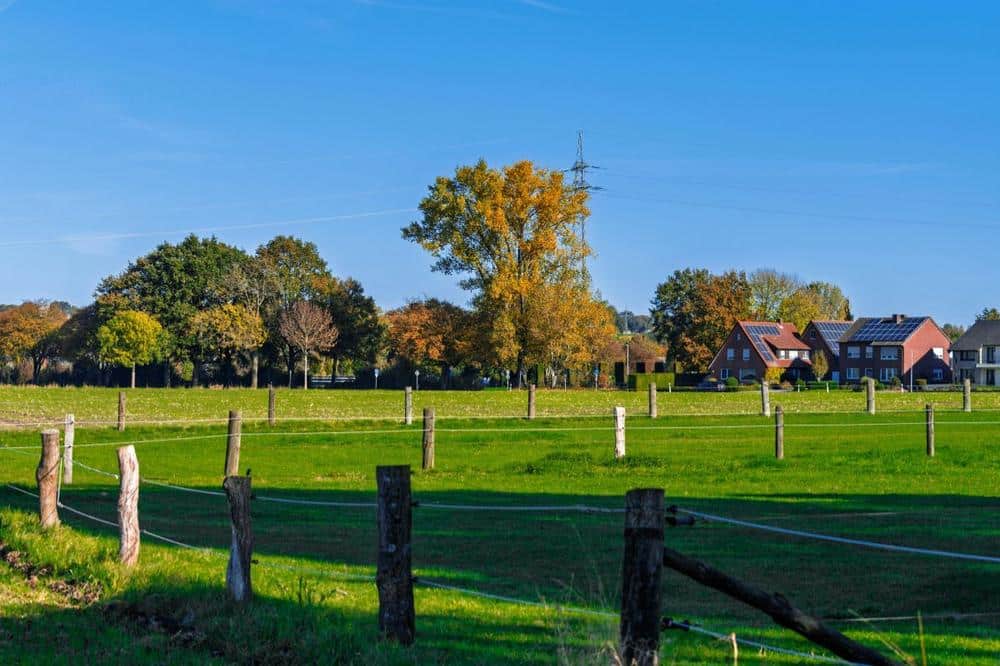
 Rural Rentals: Stability with Planning Requirements
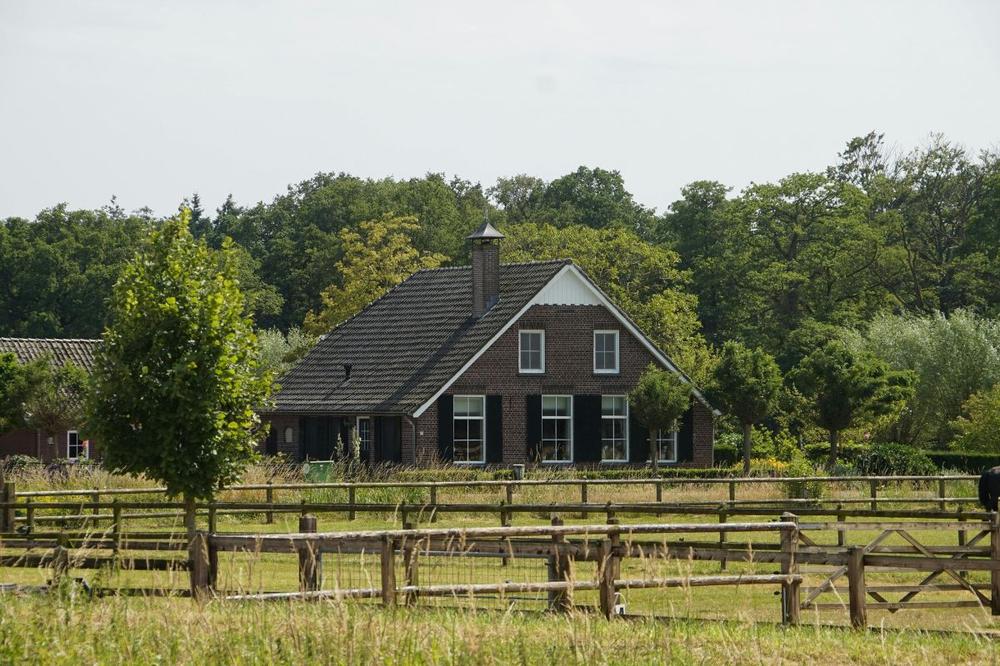
Rural rentals tend to attract a different kind of tenant. Most are looking for a reasonable price, more room, and a place they can settle into for a while. That stability is a plus, but it requires planning ahead for maintenance and repairs, especially when contractors aren’t right down the street.
That stability, however, requires planning. Rural properties may feature older infrastructure, limited access to vendors, or longer repair response times. Preventive maintenance and scheduled inspections are especially important in these areas.
When rural rentals are managed proactively, they often deliver reliable income and minimize vacancies. The key is to anticipate maintenance needs rather than react to them.
 Common Profit Pitfalls for Midwest Landlords
Many landlords set rent and expectations based primarily on location. They see higher numbers in a city and assume profits will follow, or that rural properties won’t generate much income. The reality is more complex.
Urban landlords often don’t realize how quickly turnover can eat into annual income. A property might command higher rent, but frequent vacancies, repairs, and maintenance costs can quickly erode the bottom line.
Rural properties have a different challenge. Some landlords price them too low, thinking fewer residents will be interested. In many cases, long-term renters would be willing to pay more for a well-maintained home, making underpricing a missed opportunity.
Another common mistake is not knowing the local market. Without firsthand knowledge of typical rents, reliable vendors, and what area residents really want, even solid properties can struggle to deliver consistent returns.
How Property Management Makes a Difference
Good property management can look different from one property to another. In city rentals, the biggest challenge is often keeping units occupied and handling maintenance quickly so residents stay longer.
Rural rentals come with other demands. Repairs may need more planning, inspections can’t be skipped, and finding reliable local vendors is critical since help isn’t always around the corner.
In both cases, having someone who knows the local market and how to handle day-to-day issues can make the difference between a steady rental and a property that constantly drains time and money.
Resident screening is another major factor. Matching the right resident to the right property improves retention and reduces expensive disruptions.
 Profitability Is About Strategy, Not Geography
Rural rentals and urban rentals both have advantages in Midwest markets. The deciding factor isn’t location—it’s how well the property is positioned, maintained, and managed.
Property owners who focus on long-term strategy, realistic pricing, and skilled management are far more likely to achieve steady, predictable returns, regardless of where the property is located.
At Real Property Management Consultants, we work with landlords to identify opportunities, reduce risk, and improve performance in the properties in their portfolios. If you are interested in finding out more about property management services, contact us today! Call us at 816-207-0750 for property management in Cass, Clay, or Jackson counties, or 913-270-8750 for Johnson County, Kansas property management.
 Frequently Asked Questions
Are urban rentals always more profitable than rural rentals?
It depends. City rentals tend to turn over more quickly, and that creates friction — more repairs, more vacancies, more surprise costs.
Smaller towns don’t move as fast. Rent is lower, but residents often stay for years.
In the end, it’s attention that matters. Properties that are looked after tend to hold up better, no matter where they’re located.
Do rural rentals require less management than urban units?
Not really. It’s just different. In rural areas, you usually have to plan ahead more. Repairs can take longer, vendors aren’t always nearby, and small issues can turn into big ones if they’re ignored. Someone still needs to stay on top of it.
How does tenant turnover affect profitability?
Turnover is expensive. When a place is empty, rent stops coming in, and there’s almost always cleaning or repairs to be done before the next tenant moves in. Properties with long-term residents are often more profitable over time, even if the rent is a little lower.
Why is local market knowledge important for landlords?
Knowing the local market helps you set realistic rent, understand what residents want, and plan maintenance before issues become costly. Midwest neighborhoods can vary a lot—even within the same county—so what works in one town might not work a few miles away.
Can property management improve returns in both rural and urban markets?
Absolutely. A good property manager handles the day-to-day tasks, keeps units occupied, and coordinates maintenance repairs. Urban and rural properties have different challenges, but experienced oversight means fewer surprises, steadier income, and less stress for the owner.
This content is provided for general informational and educational purposes only and does not constitute financial, legal, tax, or investment advice. Readers should consult with licensed professionals regarding their specific circumstances.
We are pledged to the letter and spirit of U.S. policy for the achievement of equal housing opportunity throughout the Nation. See Equal Housing Opportunity Statement for more information.
