

For many new real estate investors, it’s easy to assume that rental income minus the mortgage equals real cash flow. It sounds simple, and on the surface, it feels right. But the real picture is more layered than the rent checks deposited each month. Understanding actual cash flow is one of the most significant differences between hobby landlords and profitable investors. If you’re only measuring success by gross rent, you could be missing critical expenses and risks that affect your bottom line. At Real Property Management Consultants (RPMC), we work with property owners every day to help them understand this bigger picture and protect their long-term investment returns.
Let’s break down what real income actually looks like and how to evaluate it with clarity and confidence.
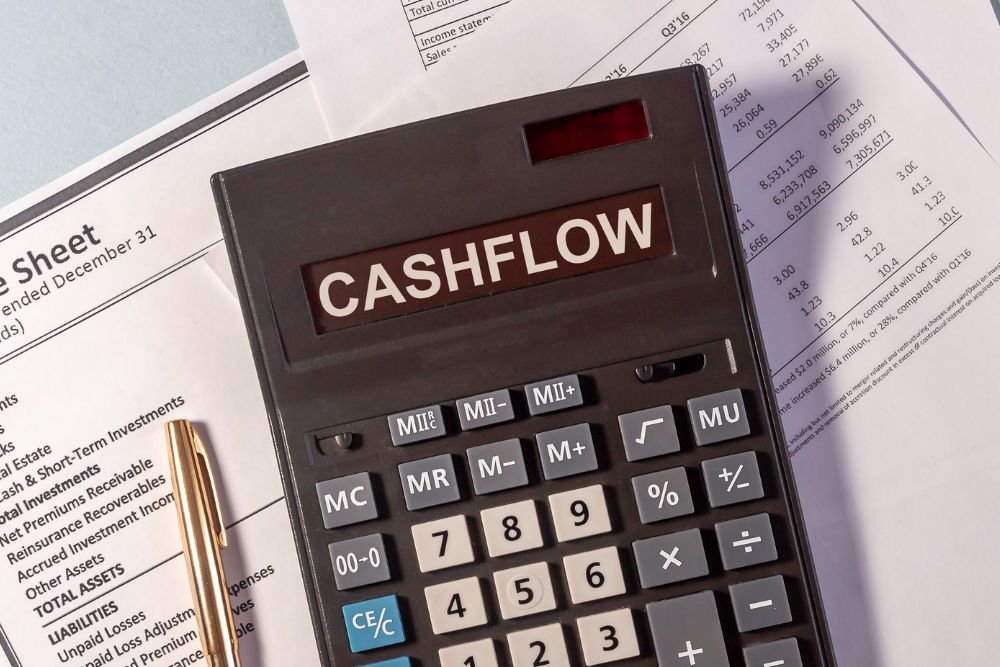 Cash Flow Isn’t Just Rent Minus Mortgage
When investors talk about “cash flow,” many are really referring to gross rental income, the total rent collected before expenses. Unfortunately, this number doesn’t reflect what you actually keep at the end of the month.
True cash flow is what’s left after subtracting every real, ongoing cost of owning and maintaining the property. That includes expenses that don’t show up every month, but still cut into net returns over time.
To get an accurate view, start with the right formula: Gross Rent – Operating Expenses – Vacancy Costs – Debt Service = True Cash Flow.
Let’s break down each of these elements.
Operating Expenses: The Often Overlooked Reality
Even with a reliable tenant, rental properties come with ongoing operating costs that need to be included when calculating cash flow. Some are expected, others sneak up when you’re not prepared.
Here are the most common expenses owners need to budget for:
1. Maintenance and Repairs
Every property needs upkeep. Even newer homes require occasional maintenance, leaky faucets, broken appliances, HVAC servicing, and more. Industry best practices recommend budgeting 8–12% of rental income for routine maintenance.
Unexpected home repairs, such as replacing a water heater or addressing a roof leak, can cost hundreds or thousands of dollars at once. If you don’t budget for them upfront, they can hit your cash flow hard.
2. Property Taxes
Property taxes vary by county, but they’re an unavoidable expense. Even when escrowed with your mortgage, they must be part of your cash flow calculation.
3. Insurance
Landlord insurance typically costs more than a standard homeowner’s policy and should be included as a monthly prorated expense.
4. HOA or Condo Fees
If your property is within a homeowners’ association or building community, monthly or quarterly dues are part of your operating expenses.
5. Utilities
In some properties, especially multifamily or partially owner-paid setups, you may cover water, trash, or lawn care. These should be included in your numbers even if tenants reimburse you. When you add these costs up, net cash flow can look very different from what you expected based only on rent and mortgage numbers.
 The Silent Profit Killer
Even with a great tenant now, no property stays occupied 100% of the time forever. Turnovers happen — leases end, people relocate, life changes. Savvy investors prepare by building vacancy loss into their cash flow. A common rule of thumb is to budget one month of lost rent per year, though vacancy rates vary by area and season.
Vacancy costs include:
- Lost rental income during empty periods
- Utilities you may need to keep on
- Marketing and advertising
- Cleaning and turnover repairs
- Leasing fees or onboarding costs
Ignoring vacancy leads to painful surprises. Planning for it protects your investment.
Property Management Fees: An Investment, Not a Loss
Some investors skip professional property management to “save money,” but the opposite often happens. A good property manager helps preserve and even increase cash flow by reducing risk, preventing turnover, and staying ahead of maintenance.
Typical services included in property management fees:
- Rent collection and accounting
- Tenant screening
- Lease preparation and enforcement
- Maintenance coordination
- Legal compliance
- Move-in/move-out inspections
- 24/7 emergency support
While fees vary, they are usually more than offset by the time savings, reduced vacancies, better tenant placement, and fewer costly mistakes. When budgeting for cash flow, management fees should always be included as part of operating expenses.
Debt Service: More Than Principal and Interest
If you financed the property, your mortgage payment (principal and interest) is part of your cash flow calculation. However, monthly mortgage amounts don’t tell the whole story about the impact of debt.
Be sure to consider:
- Adjustable-rate loans and future increases
- Balloon payments or refinancing costs
- Mortgage insurance (if applicable)
Investors with stable financing and predictable payments tend to fare better in long-term planning than those who rely on low introductory rates.
 The Real Cash Flow Example
Here’s how gross rent and true cash flow can differ.
Example Property:
- Monthly Rent: $1,800
Typical Monthly Expenses:
- Mortgage (P&I): $1,050
- Maintenance Reserve: $150
- Property Taxes (prorated): $175
- Insurance (prorated): $75
- Property Management: $180 (10%)
- Vacancy Reserve: $150 (1 month / 12)
Actual Cash Flow:
$1,800 – $1,050 – $150 – $175 – $75 – $180 – $150 = $20/month. On paper, this yields a $750 monthly profit, excluding the mortgage. In reality, you’re looking at a breakeven property — or worse, if a repair comes up. This doesn’t mean the investment is bad. It means you need accurate numbers to plan and scale responsibly.
Cash Flow vs. ROI: Think Long-Term
Not every property needs to produce high monthly cash flow to be a worthwhile investment. Many long-term investors are focused on appreciation, tax benefits, amortization, and portfolio growth. However, understanding your true cash flow allows you to make better strategic decisions about:
- Reinvestment
- Rent adjustments
- Refinancing
- Capital improvements
- Scaling your portfolio
When you know what you’re actually earning, you’re better equipped to stay profitable over time.
How Professional Management Protects Cash Flow
At RPMC, our role is to help owners see and keep the full picture. That includes:
- Transparent reporting and financials
- Accurate rent collection and enforcement
- Strategic pricing based on market demand
- Proactive maintenance planning
- Faster leasing and lower vacancy rates
- Legal compliance and lease protection
- Vendor relationships that save money
With the right partner, cash flow doesn’t have to be uncertain. You deserve numbers you can rely on.
 to See Your Real Returns?
If you’re only measuring gross rent, you’re not getting the full story. Understanding real cash flow helps you protect your investment, plan ahead, and grow with confidence. Real Property Management Consultants provides the guidance, systems, and support owners need to make rentals truly profitable, not just occupied. Want a clearer picture of your rental property’s performance? Let’s talk through your goals and help you understand where your cash flow really stands. Contact us today to get started and make your investments work smarter, not harder.
This content is provided for general informational and educational purposes only and does not constitute financial, legal, tax, or investment advice. Readers should consult with licensed professionals regarding their specific circumstances.
We are pledged to the letter and spirit of U.S. policy for the achievement of equal housing opportunity throughout the Nation. See Equal Housing Opportunity Statement for more information.
