

If you’ve spent any time in the Midwest during the winter, you know that it’s common to be freezing at night, slightly warmer afternoons, and snow that melts just enough to freeze again. It’s frustrating for residents, and for landlords, it can quietly wreck your property.
Even homes that look solid aren’t safe. A small crack in the driveway or a tiny basement leak might not seem like much in November, but by spring, it could be a costly headache. At Real Property Management Consultants, we’ve seen this happen often, and we help landlords get ahead of it before it worsens.
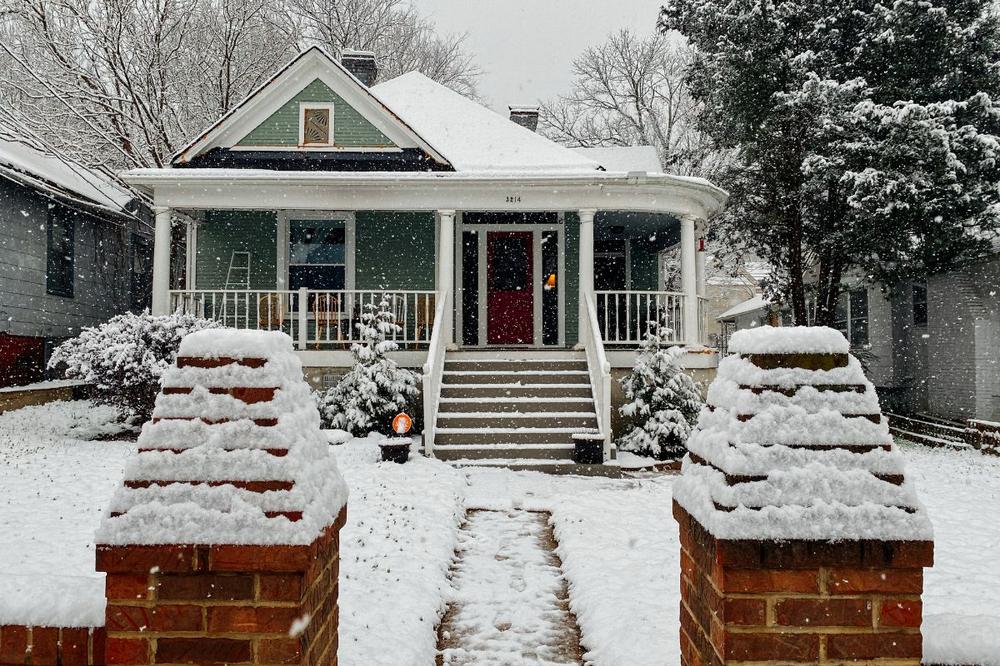 What Freeze-Thaw Cycles Actually Do
When water seeps into cracks in concrete, asphalt, or brick and then freezes, it expands. When it melts, it contracts. Do that over and over, and even a sturdy structure begins to break down.
You’ll notice it everywhere: sidewalks, driveways, patios, roofs, siding, even basements. Small cracks get bigger. Wood or vinyl can warp. Shingles might lift just enough for a leak. Though residents may not notice, ignoring these signs can turn a minor repair into a major one fast.
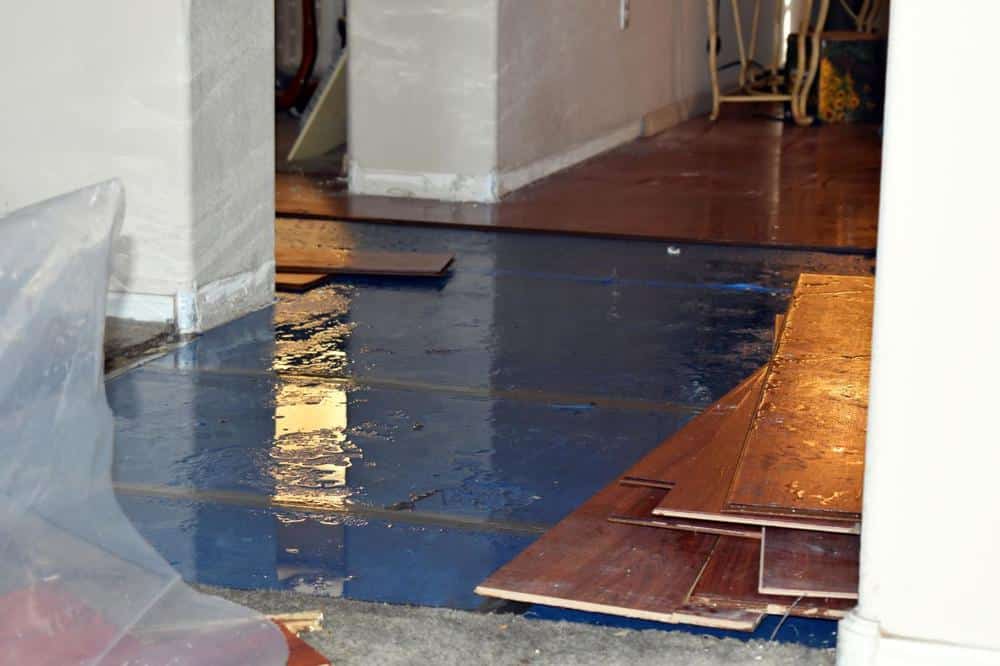 Why Landlords Often Miss Freeze-thaw damage to rental properties
Often, winter damage may not appear serious. A crack here, some ice buildup there, nothing that feels urgent. That’s where problems start.
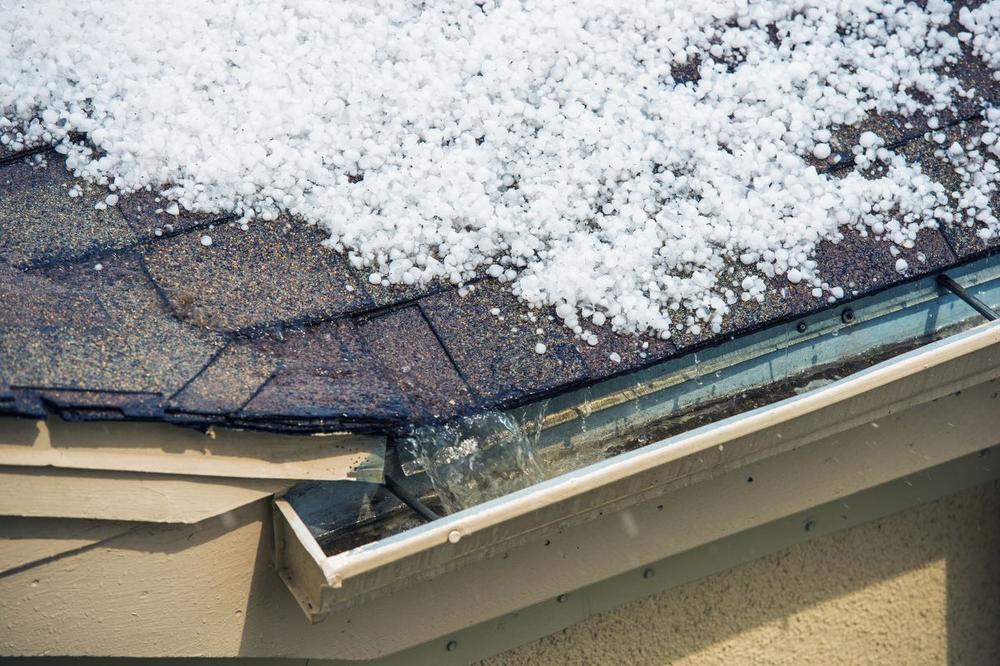
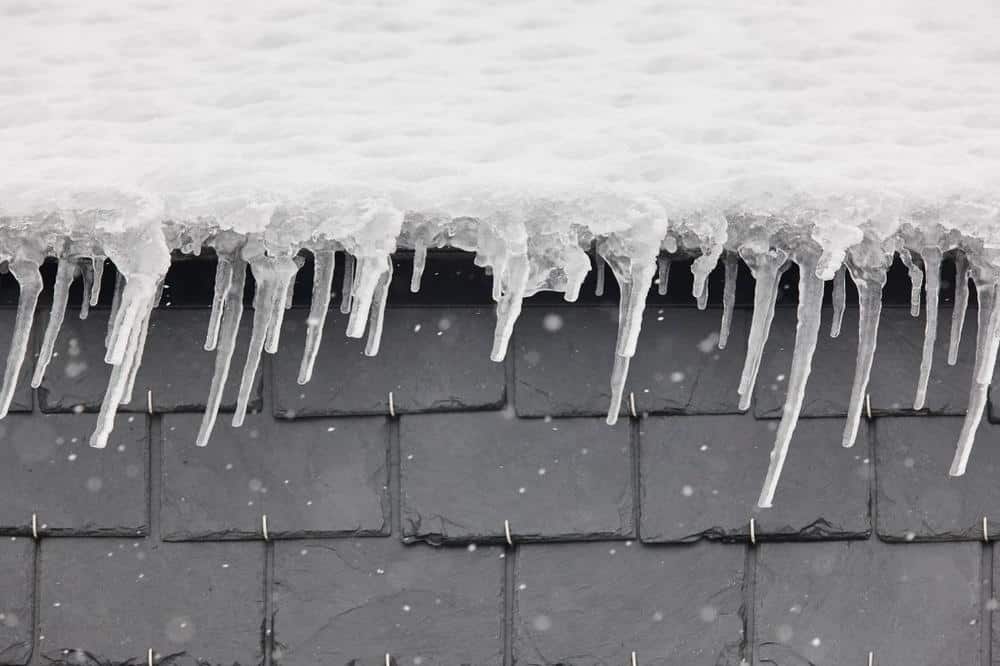
Freezing and thawing can turn minor cracks into bigger ones fast. Gutters packed with ice force water back toward the house. And when residents finally complain about drafts, slick sidewalks, or leaks, the fix is rarely quick or cheap.
Insurance can be tricky, too. Some claims are denied if the damage is deemed to be due to neglect. Repeated winter damage can slowly reduce your property’s value, taking a hit to curb appeal and structural soundness.
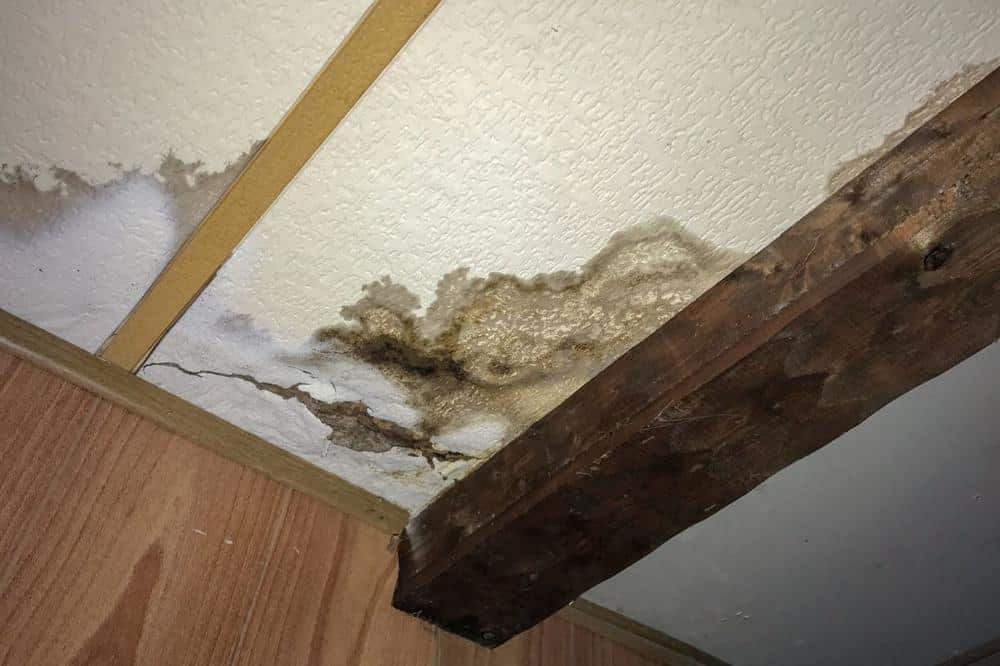 A Real-Life Winter Story
After a rough winter, a landlord in Lee’s Summit noticed a small crack in the driveway and some moisture in the basement of one of their rental properties. It didn’t seem urgent, so it got pushed aside. By late spring, the damage to the driveway had spread, and the basement leak had become a much larger foundation issue.
If the property owner had sealed the crack and cleaned out the gutters early on, it would have likely prevented the damage from snowballing. Little problems can become costly when they’re ignored.
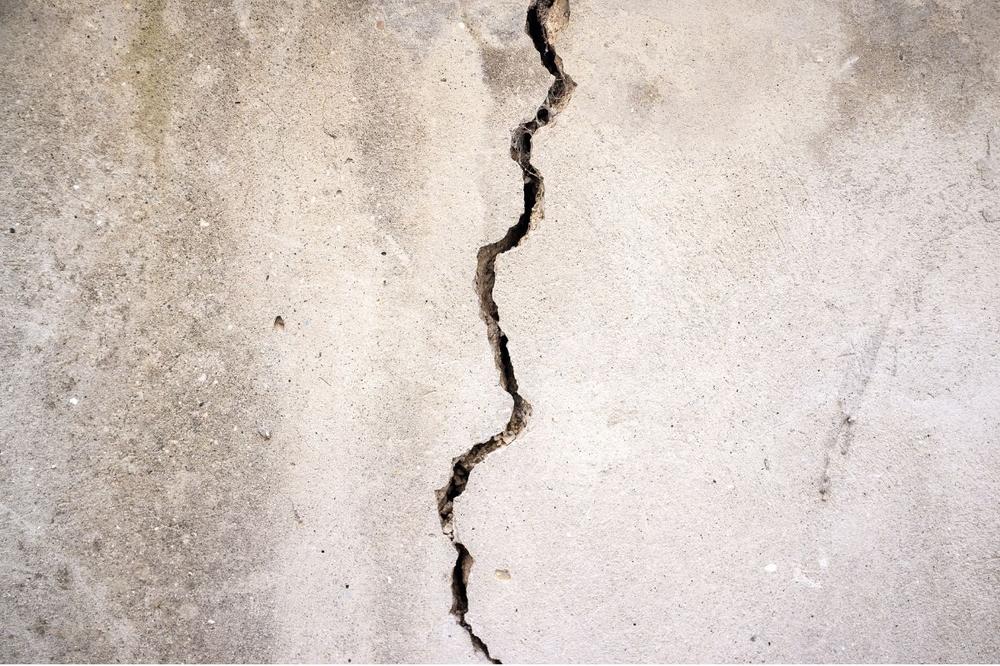 How Property Management Makes a Difference
A good property manager helps prevent these issues. They perform seasonal inspections—checking roofs, gutters, foundations, and driveways- and take preventive action before winter hits.
They also coordinate trusted contractors. In suburban or rural areas, finding someone reliable to fix frozen pipes or a leaky roof can be a nightmare if you don’t have connections. And they make sure residents know to report small problems right away. Spotting leaks or slick walkways early helps keep your residents safe and prevents small problems from turning into expensive repairs.
 Tips for Midwest Landlords
Even if you handle properties yourself, there are practical steps to reduce freeze-thaw damage to rental properties:
- Walk around your property before and after winter. Look at driveways, patios, sidewalks, and foundations.
- Keep gutters clear. Ice dams are expensive.
- Seal cracks and weatherproof doors, windows, and siding.
- Align seasonal inspections for HVAC, plumbing, and roofs with seasonal changes.
- Encourage residents to report leaks, drafts, or frozen pipes right away.
It’s not complicated—just a bit of attention can prevent bigger problems down the line.
Keeping Ahead of Winter Damage Year After Year
Midwest winters and freeze-thaw cycles present a significant threat to rental properties. Landlords can wait for damage and pay, or get ahead with inspections, maintenance, and professional help.
Professional property management brings peace of mind to property owners through expert management. Inspections, preventive repairs, contractor networks, and quick responses are all part of a property manager’s toolkit. It keeps residents safe, preserves property value, and maintains rental income year-round.
If you are looking to protect your investments, contact Real Property Management Consultants. We can help ensure a proper assessment of your property and help you stay ahead of freeze-thaw damage to rental properties. Call us at 816-207-0750 for property management in Cass, Clay, or Jackson counties, or 913-270-8750 for Johnson County, Kansas property management.
 Frequently Asked Questions
What are freeze-thaw cycles, and why do they matter?
Freeze-thaw damage happens when water finds its way into tiny cracks, freezes overnight, expands, and then melts. Over time, that small crack can slowly spread, surfaces can shift, and before long, you’re dealing with leaks or repairs that cost far more than the original repair would have.
Can freeze-thaw damage to rental properties create safety issues for residents?
Yes, and it happens more often than people think. A damaged sidewalk, slick driveway, or slow roof leak can become a real hazard. Regular walk-throughs and quick fixes go a long way in keeping residents safe.
When is the best time for landlords to inspect their properties?
Property inspections should be conducted before winter and again after the snow and ice have melted. It’s important to pay close attention to roofs, gutters, foundations, driveways, patios, and siding. These areas tend to show problems first.
Can good property management prevent freeze-thaw damage to rental properties?
Unfortunately, not, because buildings move, and the weather is unpredictable. Good property management can help reduce risk by staying on top of inspections, handling minor repairs promptly, and ensuring residents know when and how to report issues.
Are rural rentals more vulnerable than urban properties?
Not necessarily, but rural properties can take longer to service simply because contractors may be farther away. Freeze-thaw damage to rental properties affects both settings. Having someone local who can respond quickly makes a big difference.
What’s the best way to keep repair costs down?
The easiest way to keep repair bills from getting out of hand is to address problems when they first arise. A small crack or a small leak is usually cheap to fix. Wait too long, and that same issue can turn into a much bigger (and more expensive) headache. Simple things like sealing cracks, clearing out gutters, keeping an eye on the roof, and doing seasonal checkups almost always cost less than fixing damage that’s been ignored.
How do residents help prevent bigger problems?
Residents are often the first to notice issues. When they report leaks, drafts, or frozen pipes right away, it gives owners a chance to fix them before they become expensive repairs.
How are winter emergencies handled?
Experienced property managers already have contractors lined up for things like burst pipes, roof leaks, or ice damage. A fast response protects both residents and the property.
We are pledged to the letter and spirit of U.S. policy for the achievement of equal housing opportunity throughout the Nation. See Equal Housing Opportunity Statement for more information.
